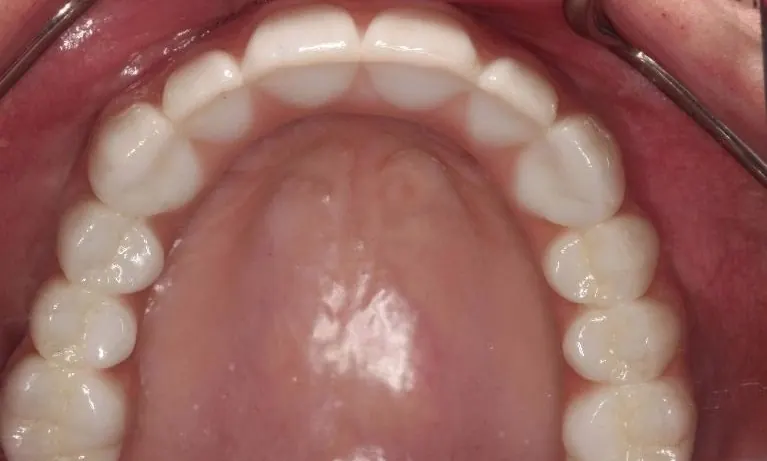
Why the jawbone shrinks
Teeth are anchors. Every time you bite, the root presses on the bone around it, and that pressure keeps the bone alive. When a tooth is lost, the bone in that spot has nothing to do and begins to melt away. The longer a gap is left, the more it shrinks, and the neighbouring teeth lose some of their support too.
That is why the best time to talk about an implant is as soon as possible after losing a tooth, or before an extraction if you can.
What a bone graft does
A graft adds bone where it has been lost, using donated or harvested bone material. Over the following months your body grows new bone into it, building a foundation solid enough to hold an implant. Before anything is planned, a 3-D scan shows exactly how much bone you have and where the implant should go.
Grafting is becoming common simply because more people are choosing implants. It is a predictable, well-established procedure.
Does a bone graft hurt?
No more than any other minor surgery. You are numb throughout, and sedation is available. Some soreness afterwards is normal and is managed with medication and a few days of taking it easy. Pain control is discussed with you beforehand, based on your situation.
Healing well
- For the first four to six weeks the graft is soft and fragile, so treat the area gently.
- Some bleeding at first is normal. Change the gauze every 30 to 45 minutes until it clots.
- Do not rinse hard or use a straw straight after surgery, so the clot stays in place.
- Do not smoke. It slows healing and raises the risk of infection.
New bone takes six to nine months to form fully. After that, implant placement can go ahead.
